
Choosing the right English language school abroad means finding an accredited, high-quality institution that matches your learning goals, budget, and preferred destination.

Why study English in Malta?
Malta is one of Europe’s most popular destinations for English language study. It offers a distinctive combination of language learning, culture, history, sea views and international student life.
As English is widely used in education, business and tourism, students have many opportunities to practise the language in real-life situations.
Why do international students choose Canada?
Key reasons to choose Malta include:
- English is one of Malta’s official languages
- A Mediterranean lifestyle with beaches, coastal towns and warm weather
- A compact island setting that is easy to explore
- A strong international student community
- A wide range of English courses for different ages and goals
- Historic cities, cultural sites and island excursions
- Malta is part of the European Union and uses the euro
For many students, Malta offers the ideal balance between language learning, lifestyle and cultural discovery. Malta is a strong choice for students who want to improve their English while enjoying a sunny, international and culturally rich destination. English is one of Malta’s official languages, and students can practise the language both inside and outside the classroom.
How do you choose the right English language school in Malta?
A good English language school in Malta should combine official recognition, high teaching standards, experienced teachers, student support and a safe, welcoming environment.
Schools in Malta belong to Feltom, the self-regulating national body with an established accreditation system for its members.
When choosing a school, students should consider:
- Official licensing and accreditation
- Teacher qualifications and classroom experience
- Class size and level placement
- Range of courses available
- Accommodation options
- Student welfare and support
- Location and transport links
- Reviews, testimonials and student feedback
At Quality English, all member schools are independently owned, accredited, and carefully selected based on their reputation, quality and student experience.

What types of English courses are available in Malta?
English language schools in Malta offer a wide range of courses designed for different goals, levels and age groups.
Students can choose from:
- General English
Focus on improving overall communication skills, including speaking, listening, reading, and writing.
- Business English
Designed for professionals who want to develop language skills for the workplace.
- Academic Preparation
Courses that prepare students for university study or academic pathways in English-speaking environments.
- Examination Courses
Preparation for exams such as IELTS or Cambridge English qualifications.
- English for Specific Purposes (ESP)
Courses tailored to specific industries or professional needs.
- Young Learners programmes
Summer or year-round courses designed for children and teenagers, often combining lessons with activities. - Special Business English
Focuses on improving professional communication skills, including specialised vocabulary, formal writing (proposals, emails), negotiations, and presentation skills within a business context. - Teachers’ courses:
Enhance your teaching with specialised courses that combine the latest methodology, classroom practice, and educational innovation.
Many schools also offer flexible start dates and different course intensities, allowing students to choose a programme that matches their goals and schedule.
Best Cities in Malta to study English
Malta offers a variety of learning environments, from lively coastal towns to quieter island settings. Quality English member schools in Malta are located in Gozo, St Paul’s Bay, St Julian’s and Salina Bay.
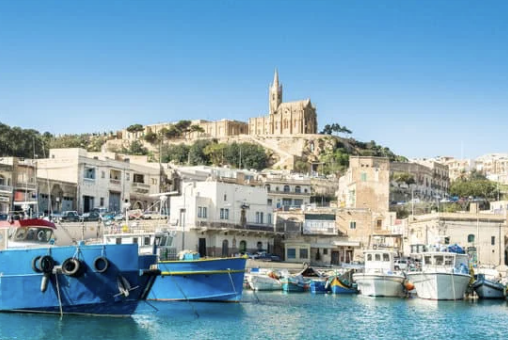
Gozo is Malta’s sister island and offers a quieter, more relaxed study environment. It is known for its slower pace of life, scenic landscapes, coastal views and traditional villages.
Gozo is a good choice for students who want a peaceful and immersive experience, with opportunities to practise English in a calm and friendly setting.
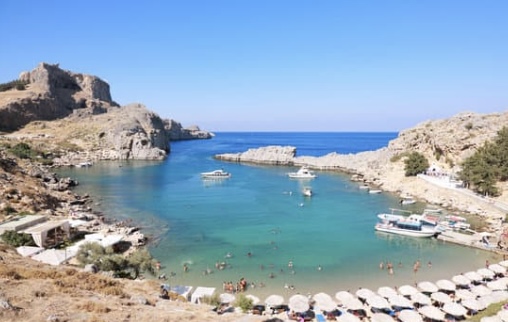
St Paul’s Bay is a popular coastal area in the north of Malta, known for its seaside atmosphere, restaurants, cafés and easy access to nearby beaches and attractions.
It is a good option for students who want a lively but relaxed environment, with plenty of opportunities to enjoy student life by the sea.
St Julian’s is one of Malta’s most vibrant areas, popular with international students because of its restaurants, cafés, shops, nightlife and coastal setting.
It is a good choice for students who want an active social life, easy access to entertainment, and many opportunities to use English in everyday situations.
Salina Bay is located in the north of Malta, close to the coast and near areas such as St Paul’s Bay and Qawra. It offers a quieter setting while still being well connected to student-friendly areas.
It is a good option for students who want a more relaxed environment with access to coastal activities and nearby towns.
How do you choose the right location in Malta?
The right location depends on your goals, lifestyle and preferred type of experience.
- Choose Gozo if you want a quieter, more peaceful island experience
- Choose St Paul’s Bay if you want a coastal location with a relaxed student atmosphere
- Choose St Julian’s if you want a lively area with social life, cafés, restaurants and nightlife
- Choose Salina Bay if you prefer a calmer coastal setting with access to nearby towns
Students should also consider accommodation, transport, course type, budget and preferred pace of life before choosing a location.
Which accomodation option is best?
Students studying English in Malta can choose from different accommodation options depending on their preferences, budget and desired level of independence.
Homestay
Homestay accommodation allows students to live with a local host, offering a more immersive experience and opportunities to practise English outside the classroom.
This option is often ideal for younger students, first-time travellers or anyone who wants a more supportive environment.
Residential accommodation
Residential accommodation, such as student residences or shared apartments, gives students more independence and flexibility.
This option is well suited to students who prefer a more independent lifestyle while still being part of an international student community.
Which accommodation option is right for you?
Choose homestay if you want daily English practice and a more supportive environment.
Choose residential accommodation if you prefer independence, flexibility and a more social student setting.
Accommodation options vary by school and location, so students should confirm availability and details before booking.
Study Experience in Malta
What can students expect outside the classroom?
Studying English in Malta is not limited to lessons. Students can also take part in activities, excursions and cultural experiences that help them practise English in real-life situations.
Activities
Schools may organise social and cultural activities to help students connect with classmates and use English in a relaxed environment.
These may include:
- Conversation clubs
- Walking tours
- Beach visits
- Sports activities
- Cultural workshops
- Boat trips
- Social events with classmates
- Local food experiences
These activities help students build confidence and develop practical communication skills.
Excursions
Depending on the school and location, students may have opportunities to visit some of Malta’s most popular places.
Students may visit:
- Valletta, Malta’s capital city and a UNESCO World Heritage Site
- Mdina, the historic walled city in central Malta
- The Three Cities, across the Grand Harbour from Valletta
- The Blue Lagoon, on the island of Comino
- Gozo, Malta’s sister island
- Marsaxlokk, a traditional fishing village in the south-east
- Dingli Cliffs, on Malta’s western coast
- St Peter’s Pool, a natural swimming spot near Marsaxlokk
These excursions help students discover Malta’s history, landscapes and island culture while continuing to practise English outside the classroom.
Social life
Malta has a strong international student atmosphere, especially in areas such as St Julian’s, St Paul’s Bay and other coastal towns.
Students can meet people from different countries, practise English socially, and take part in activities that support language development beyond the classroom.
Cultural experiences
Malta has a rich cultural identity shaped by Mediterranean, European and British influences.
Students can explore historic cities, churches, harbours, museums, festivals, local food and traditional villages while developing a deeper understanding of the country and its people.
Hear from the experts: QE Talks Malta
Thinking about studying English in Malta?
Hear directly from the people who know it best.
In this episode of QE Talks, Jonathan speaks with representatives from Bels and ESE, who share their insights into studying English in Malta, student life, choosing the right destination, quality assurance, accommodation and what makes Malta such a popular choice for international students.
Whether you’re just starting your research or comparing destinations, this conversation offers valuable first-hand advice from experienced education professionals.
Frequently asked questions about studying English in Malta
Visa requirements depend on your nationality, course length and individual circumstances.
Students from the EU/EEA do not usually need a visa to study in Malta.
Non-EU students may need a visa depending on their nationality and the length of their stay. Short courses may fall under short-stay visitor rules, while longer study programmes may require a long-stay visa or residence permit.
Students should always check the latest requirements with official Maltese immigration sources or their chosen school before travelling.
Work rights depend on nationality, visa type and individual immigration conditions.
Students should not assume they can work unless this is clearly allowed under their visa or residence conditions.
Always check official visa and work conditions before making travel or employment plans.
This depends on your goals and current level.
- Short courses of 1–12 weeks are suitable for improving communication skills and gaining confidence
- Longer courses are better for students who want significant progress, exam preparation, academic English or professional development
Most English language schools accept students at different levels, from beginner to advanced.
Students usually take a placement test before starting so they can join a class that matches their level.
Malta offers English courses throughout the year.
The best time depends on your preferred climate, budget and student experience. Summer is lively and popular, especially for younger students, while spring and autumn can offer warm weather with a slightly quieter atmosphere.
Winter may be a good option for students looking for a calmer experience and more availability.
Malta is a popular and student-friendly destination, but students should still follow basic safety advice, especially when travelling, swimming, going out at night or exploring unfamiliar areas.
Schools support students with guidance on accommodation, transport, local areas and activities.
Malta is a member of the European Union and uses the euro (€) as its official currency.
Students should plan their budget in euros, including tuition, accommodation, transport, meals and activities.
The cost of studying English in Malta depends on the course, duration, accommodation type, location and lifestyle.
Key expenses to consider include:
- Tuition fees
- Accommodation
- Transport
- Meals
- Activities and excursions
- Travel insurance
- Visa-related costs, if applicable
Students should always check current prices with their chosen school before booking.
Malta combines English language learning with a Mediterranean island lifestyle.
Students can improve their English while enjoying coastal towns, historic cities, beaches, cultural excursions and a strong international student community. This makes Malta especially attractive for students looking for both academic progress and a memorable travel experience.
Ready to choose your English school in Malta?
Explore Quality English schools in Malta and find the option that best matches your goals, location preferences, and study plans
