
Choosing the right English language school abroad means finding an accredited, high-quality institution that matches your learning goals, budget, and preferred destination.
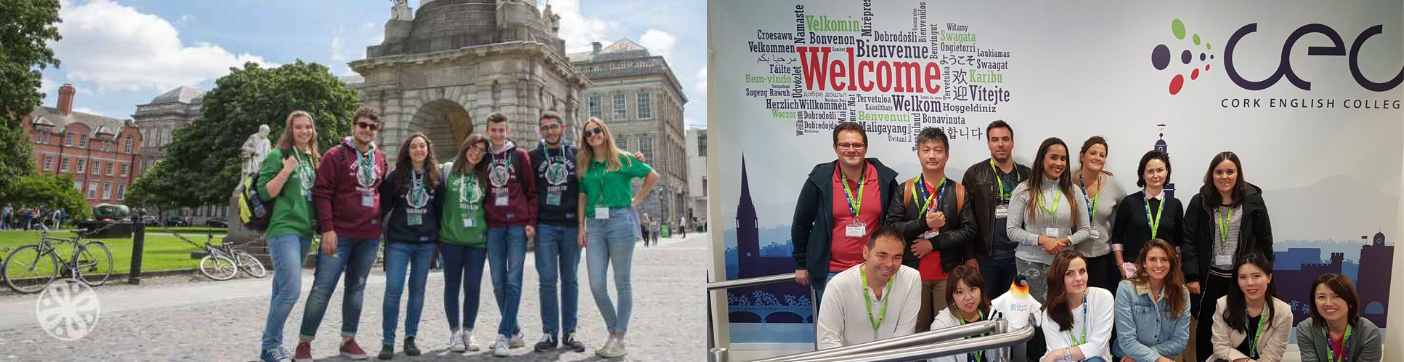
Why should I study English in Ireland?
Ireland offers a high-quality, immersive environment for learning English. As a native English-speaking country, students can practise the language both inside and outside the classroom, accelerating their progress.
The country is known for its welcoming atmosphere, strong education standards, and diverse range of English courses. Combined with vibrant cities and rich cultural experiences, Ireland provides an ideal setting for students looking to improve their English while enjoying life abroad.
At Quality English, we help students and agents choose from a carefully selected network of independent, accredited schools in English-speaking countries.
How do you choose the right English language school in Ireland?
A good English school in Ireland should be accredited, offer high-quality teaching, and provide strong student support.
In Ireland, English language schools are recognised ACELS (which will soon be the TrustEd Ireland scheme).
When choosing a school, consider:
- Accreditation
- Teaching quality and class size
- Course options
- Student support
- End of course Exam Options
Type of English courses available
Ireland offers a wide range of English language courses designed to suit different goals, levels, and age groups.
Students can choose from:
- General English
Focus on improving overall communication skills, including speaking, listening, reading, and writing.
- Business English
Designed for professionals who want to develop language skills for the workplace.
- Academic Preparation
Courses that prepare students for university study or academic pathways in English-speaking environments.
- Examination Courses
Preparation for exams such as IELTS or Cambridge English qualifications.
- Teachers’ Courses
Programmes for English language teachers looking to develop their teaching skills and methodology.
- English for Specific Purposes (ESP)
Courses tailored to specific industries or professional needs.
- Young Learners programmes
Summer or year-round courses designed for children and teenagers, often combining lessons with activities. - Study & Work Programmes
Year round, 6-month courses to allow you to balance studying & working in Ireland.
Many schools also offer flexible options, allowing students to combinecourses or tailor their learning experience to their needs.
Best locations in Ireland to study English
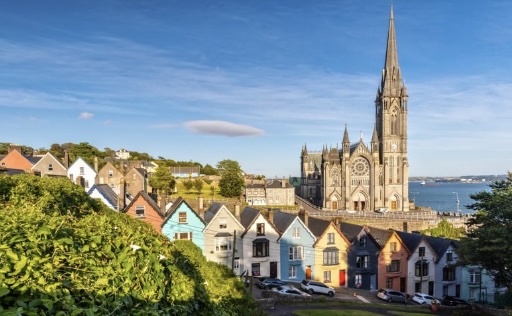
Ireland offers a variety of locations to suit different learning styles, from vibrant cities to smaller towns with a strong sense of community. Choosing the right location can have a significant impact on your overall experience. Ireland offers a variety of locations to suit different learning styles, from vibrant cities to smaller towns with a strong sense of community.
Some of the most popular locations to study English in Ireland include:
Bray
Located just south of Dublin, Bray is a seaside town that offers a relaxed and friendly environment for students. With its coastal setting, promenade, and easy access to the capital, it provides a quieter alternative to Dublin while still offering plenty of opportunities to practise English in everyday situations.
Carlow
Carlow is a small, welcoming town in the south-east of Ireland, known for its strong sense of community. It offers a more traditional Irish experience, where students can enjoy a calm atmosphere and benefit from close interaction with local people, helping to build confidence in English.
Cork
Cork is Ireland’s second-largest city and is known for its vibrant cultural scene and welcoming character. It combines the advantages of a city – shops, restaurants, and events – with a more relaxed pace than Dublin, making it a popular choice for students seeking both quality education and an enjoyable lifestyle.
Dublin
As Ireland’s capital city, Dublin is a dynamic and international destination for studying English. It offers a wide range of schools, courses, and cultural experiences, along with excellent transport links. Students benefit from a lively environment where they can practise English in diverse social and professional contexts.
What accommodation offers are available?
Students studying English in Ireland can choose between different types of accommodation, depending on their preferences, budget, and desired level of independence.
The two most common options are homestay and residential accommodation.
Homestay
Homestay accommodation allows students to live with a local Irish host family, providing a full immersion experience. This option typically includes a private or shared bedroom, meals (half-board or full-board), and daily interaction with native English speakers. Homestay is ideal for students who want to practise English outside the classroom and experience everyday life in Ireland in a supportive environment.
Residential accommodation
Residential options include student residences or shared apartments, often located close to the school or in the city centre. This option typically offers greater independence and flexibility, with shared or private rooms and access to communal facilities such as kitchens and social spaces. Residential accommodation is well suited to students who prefer a more independent lifestyle while still being part of an international student community.
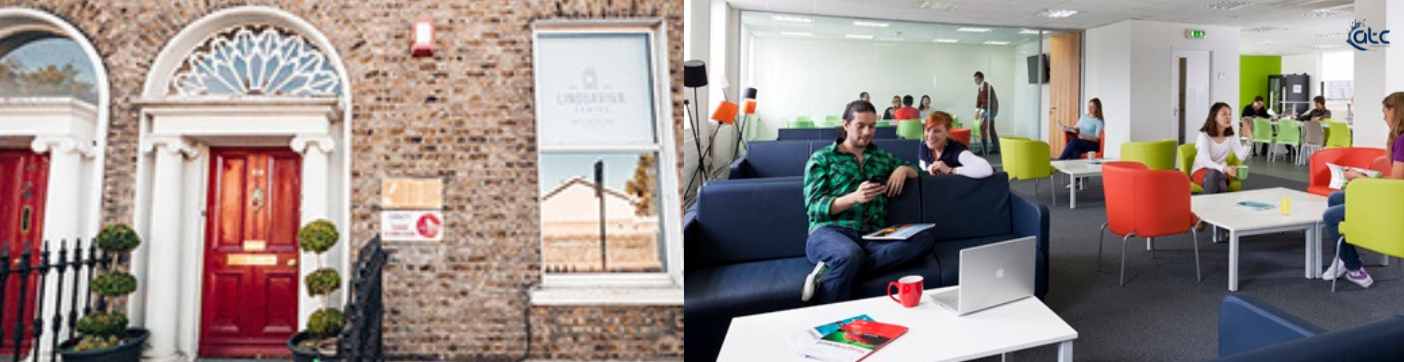
Study Experience in Ireland
Studying English in Ireland is not limited to lessons – students also benefit from a rich social and cultural experience that helps them practise the language in real-life situations.
Activities
Schools typically organise a range of activities to help students connect and practise English in a relaxed setting. These may include conversation clubs, sports, workshops, and social events.
Excursions
Many programmes include excursions to explore some of Ireland’s most iconic locations. Depending on the school and region, students may visit:
- The Cliffs of Moher, on the west coast of Ireland
- Galway and the surrounding west coast
- The Ring of Kerry, in the south-west
- Glendalough, south of Dublin
- Coastal towns and historic castles across the country
These trips allow students to discover Ireland’s landscapes and heritage while continuing to practise English outside the classroom.
Social life
Ireland is known for its friendly and welcoming atmosphere. Students often find it easy to interact with locals and other international students, creating opportunities to build confidence and improve communication skills.
Cultural experiences
From traditional music and festivals to literature and local traditions, Ireland offers a rich cultural environment. Engaging with these experiences helps students deepen their understanding of the language and the country.
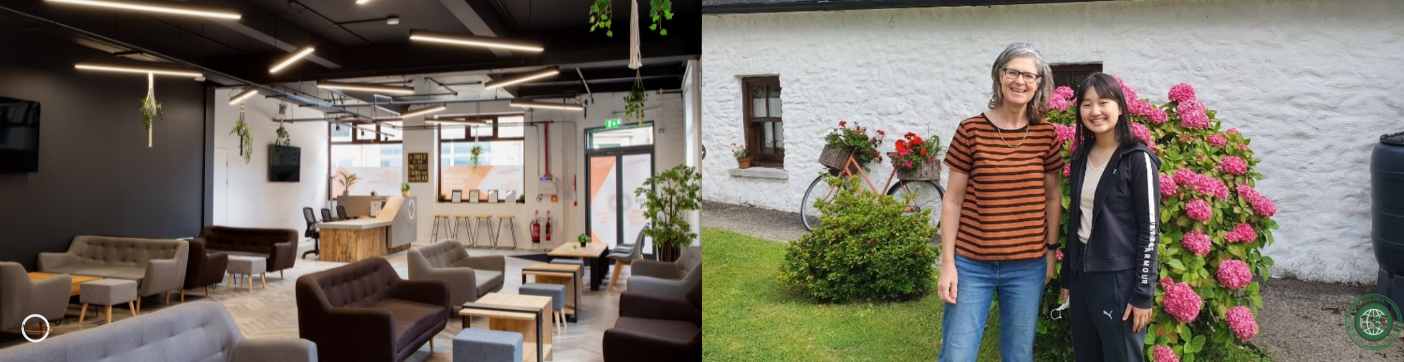
Hear from the experts: QE Talks Ireland
In our first episode, we head to Ireland with Marc Cullen from Cork English College and Aidan O’Shea from The Linguaviva Centre. Together, they share their favourite places, local recommendations and insights into what makes Ireland such a memorable destination for learning English.
🎙️ Listen now and discover Ireland beyond the guidebooks. QE Talks is available on Spotify, YouTube Podcasts and your preferred podcast platform.
Frequently asked questions
Visa requirements depend on your nationality and the length of your course.
- EU/EEA students: You do not need a visa and can study freely in Ireland.
- Non-EU students: For courses of up to 90 days, many nationalities can enter Ireland without a visa. For longer courses (over 90 days), students typically apply for a student permission (Stamp 2), which allows them to study and, in many cases, work part-time.
It is important to check the latest requirements with the Irish Immigration Service or your chosen school before travelling.
Ireland offers courses throughout the year.
Summer months are more popular and lively, especially for younger students
Spring and autumn can offer a quieter learning environment
Winter courses are often less crowded and may offer better availability.
Yes, in many cases. Students enrolled in eligible full-time courses (usually 25 weeks or more) may be allowed to work:
- Up to 20 hours per week during term time
- Up to 40 hours per week during certain holiday periods
This depends on your visa or immigration permission.
Ireland is a member of the European Union and uses the euro (€) as its official currency.
This means that students will pay for accommodation, transport, and daily expenses in euros. It is advisable to check exchange rates in advance and plan your budget accordingly before travelling.
The cost of studying English in Ireland depends on the type of course, duration, and location.
Key expenses to consider include:
- Tuition fees
These vary depending on the course type and length of your programme. - Accommodation
Costs depend on whether you choose homestay or residential accommodation, as well as the location. - Living expenses
Including transport, food, and social activities, which may vary between cities and towns.
It is recommended to plan your budget in advance and check with your chosen school for detailed pricing.
Ireland is considered a safe and welcoming destination for international students.
Its friendly culture and strong sense of community make it easier for students to adapt and feel comfortable while studying abroad.
Ready to choose your school?
Explore our carefully selected English language schools in Ireland or get in touch with our team.
