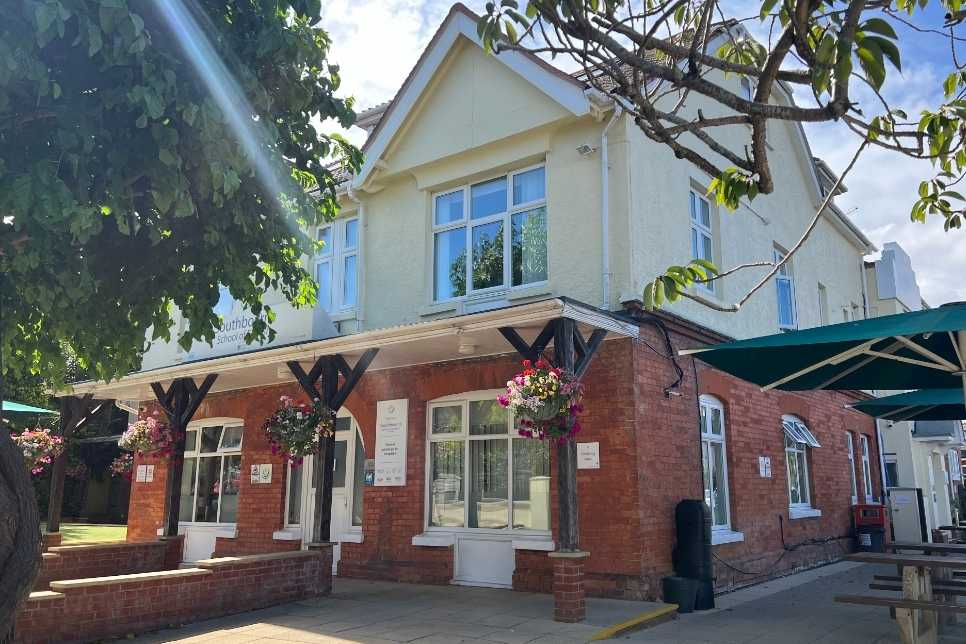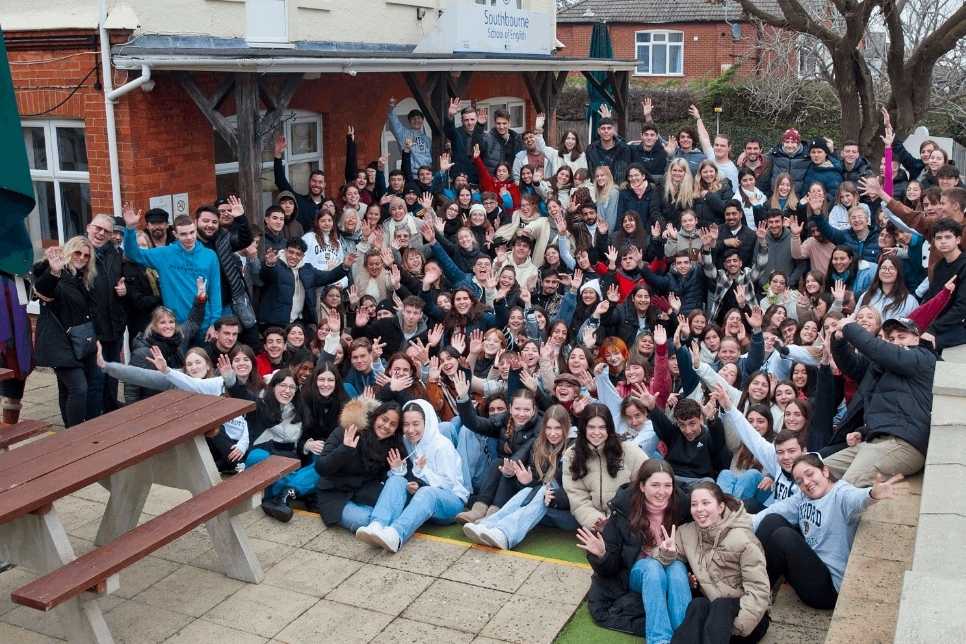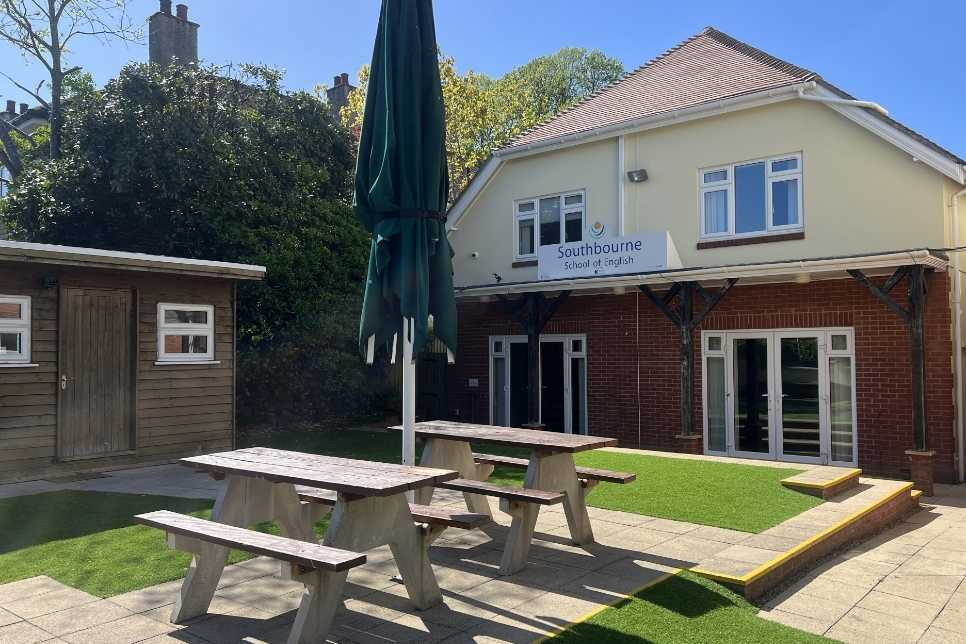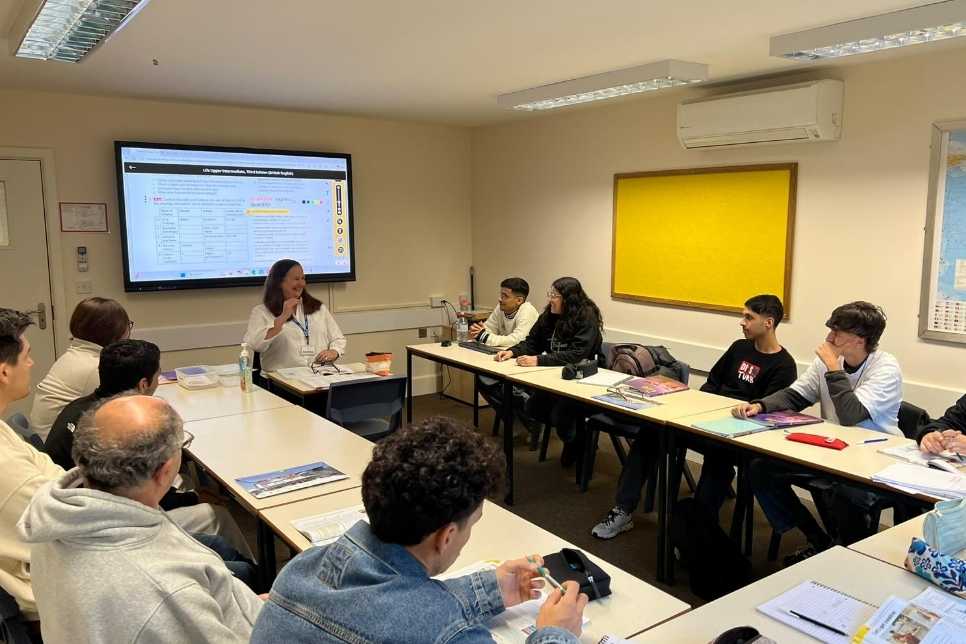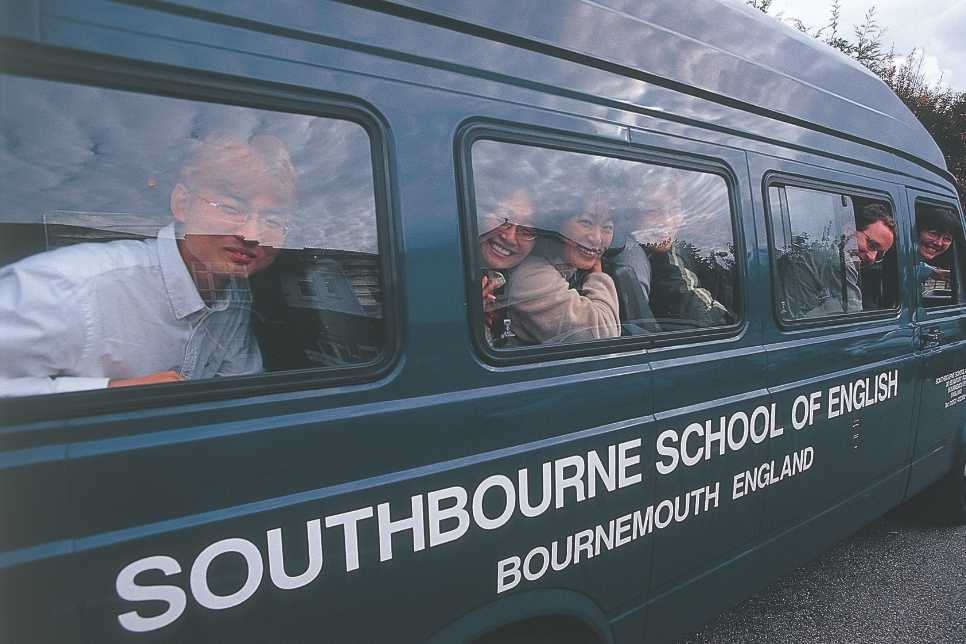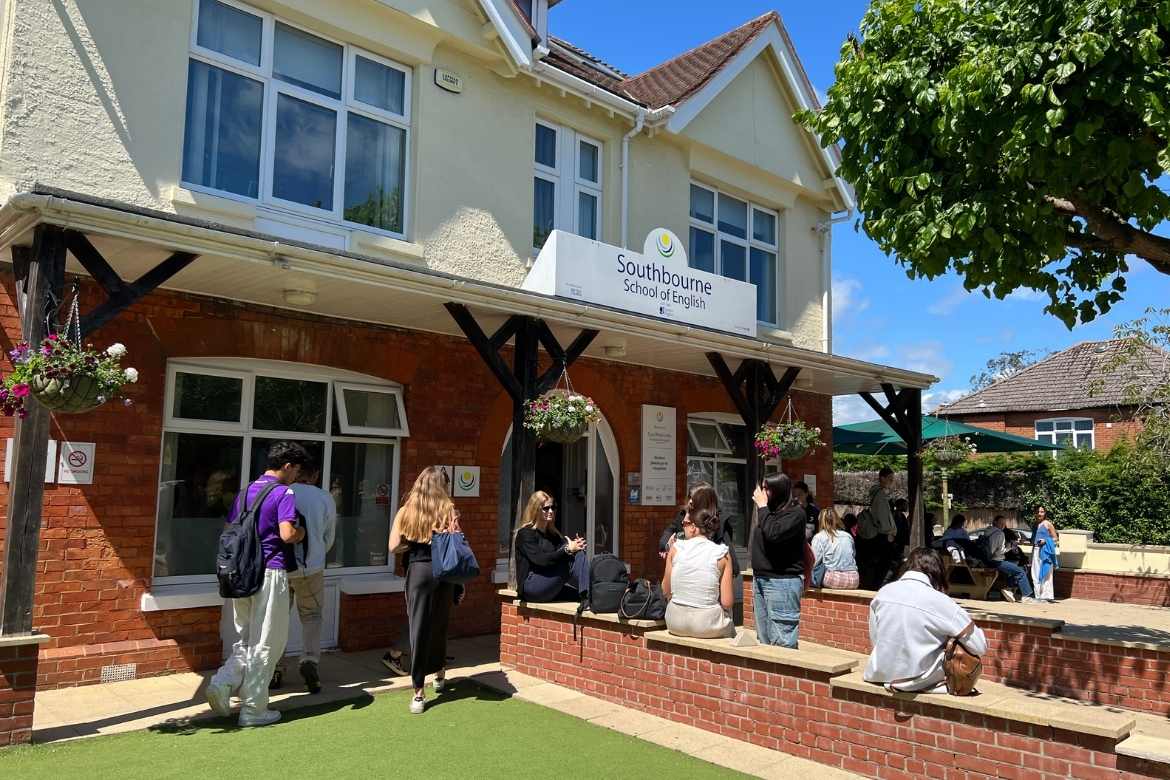
Celebrating six decades of excellence, Southbourne School of English stands as a remarkable example of a family-run institution that has grown alongside the English language teaching industry itself.
From its beginnings in the 1960s, driven by a passion for travel and international connection, to its position today as a respected and accredited school, its journey reflects resilience, innovation, and a deep commitment to quality education.
In this interview, originally featured in Study Travel Magazine, Paul Gallina shares the story behind the school’s origins, its evolution over the years, and the values that continue to shape its future.
- How did Southbourne School of English get started 60 years ago?
Southbourne School of English was started by my late grandfather, Peter Jennings.
In the early 60’s, when he settled in Bournemouth, he was looking for work that enabled him to travel the world. His love for travelling was influenced after WWII, when he was stationed as a Wing Commander in various countries including Germany and Kenya. In 1953, he returned to the UK with his wife Stella, and their daughter, Gail (my mum). They moved to Torquay, but soon after they moved to Bournemouth where he realised there was an opening for a language school slightly outside the city centre: at this time, there were very few language schools in Bournemouth. In 1966, he opened English Language Summer Schools and then rebranded to Southbourne School of English in the early 70’s due to the booming demand for courses outside of the summer.
- How has the school developed since then? What have the landmark moments been?
My father, Italo Gallina (from Italy as you can probably tell), joined the school in 1974 which is really when the school started to increase in popularity and student numbers. I remember in my younger years, where he would prepare for his trips to different European countries, cramming his old Renault 5 car with brochures, VHS tapes, posters, and a Kodak slide project, setting off on his three or four week trip around Europe to promote the school attending small events, visiting agents in their offices, many whom became long term friends and partners.
In the 1980’s, the school went from strength to strength, becoming accredited by the British Council in 1982. Over this period, the school welcomed thousands of students annually, and we operated 9 summer schools across the UK – but Southbourne was the main school, where we still are today.
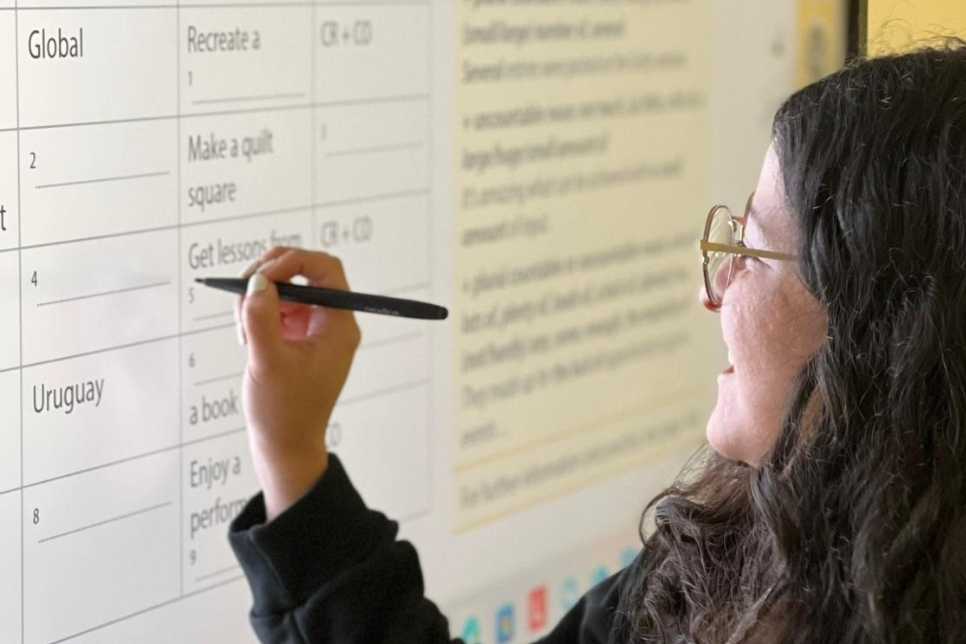
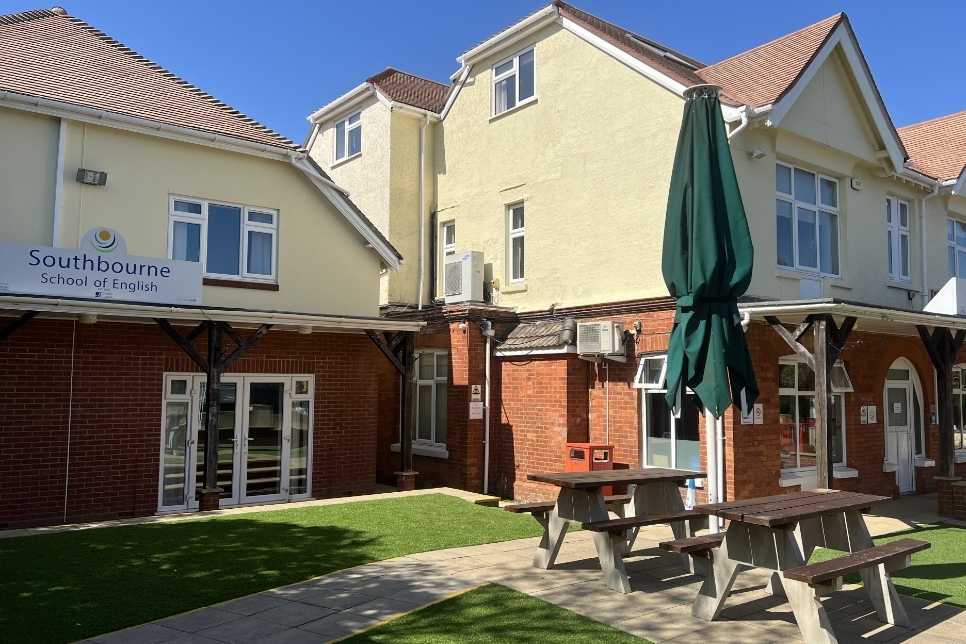
In 2009, after a few exceptionally good years, we decided to expand our premises by building 8 new classrooms in an extension of the main school. Furthermore, in 2014, we extended once again by building a whole new floor on the main building with 5 extra classrooms. All these classrooms were fitted with top-of-the-range interactive smartboards, which were cutting edge at the time.
- Southbourne is a real example of a family-run ELT business. When did you start to get involved yourself Paul?
I remember from a very early age running around the school at weekends, seeing groups arrive and depart, and being introduced to various group leaders, but my first real involvement in the business side was when I travelled to Paris with my father in 1987, when I was 15 years old. We attended an exhibition called ExpoLangues which was an event for the travel and tourism industry. We had a booth with posters and brochures, and a video playing of the school on repeat, whilst parents and potential students stopped by and found out more information about the courses we ran. Moving on 8 years, I was living in Australia when I received a call from my father saying he needed some help for the summer season, my visa was due to expire soon as I had been travelling for 4 years, so I took this as an opportunity to come back to the UK for the summer season. I had no plans to stay initially, but post-summer, my father was going on a trip to South America for a month and asked if I’d like to join him. Having lived out of backpack for the past 4 years or so, I jumped at the chance to join my father to continue travelling, this time in much more luxurious accommodation. Shortly after our return, we then headed off in the other direction to Japan, Taiwan and Thailand for a few weeks. At this time, there wasn’t an official position for me at the school, but we invested in a computer in 1995, and I found a small corner in the office to begin sending some of our first emails to agents. Looking back, I think this was one of his master plans for me to continue the family business.
- Are there any fondest memories or proudest achievements?
Travelling with Italo and seeing the friendships he had made along the way with people from every part of the world, from Japan to Argentina, from the Middle East to Northern Europe, really sticks in mind as being a great opportunity to not only spend some quality time together but also to learn about different cultures and how different nationalities approach business. After some good years, we were able to expand the school building, invest in the latest technology, and join some very reputable professional associations like Quality English in 2009, and IALC in 2019 – an association that we had been trying to become a member of for many years. With how the industry is presently, I think it’s important to be members of associations that promote English language across the globe, even if we don’t attend every event, our school is being marketed and is well represented.
- What do you think are the keys to longevity in this industry?
Being honest, not overpromising on things we can’t deliver. Building strong relationships with credible agencies. Investing in modern facilities, providing high quality courses, and having a great team who provide fantastic customer service.
- You must have some very well-established agency partnerships? Tell us about a few of those?
We have two standout agencies that we have worked with for many years since the early 90’s. A Japanese agent called Mr Iwai and an Argentinian agent called Bibiana. We have worked with both agencies for 35 years and over this time they have sent us considerable numbers of students. These partnerships have grown into friendships, and it’s always been a pleasure to welcome them back to Southbourne with their students or visit them in their home countries, catching up with them over a nice meal and a bottle of wine. Bibiana’s daughters first came here as junior students around 25 years ago, and eventually they will take over the business – hopefully taking the agency forward
- And what does the future hold? Any exciting plans for the coming month or years for Southbourne?
It’s currently quite a difficult time for the English language sector, with current affairs having a huge impact on our student numbers. We’re very busy with groups, but the individual market has definitely taken a hit. We’re hoping that in the coming weeks or months, the industry will settle and return to some sort of normality. It’s a wonderful business and industry to be a part of, we’re very fortunate that we can travel the world and experience different cultures. I’ve made some great friendships along the way and long may this continue.